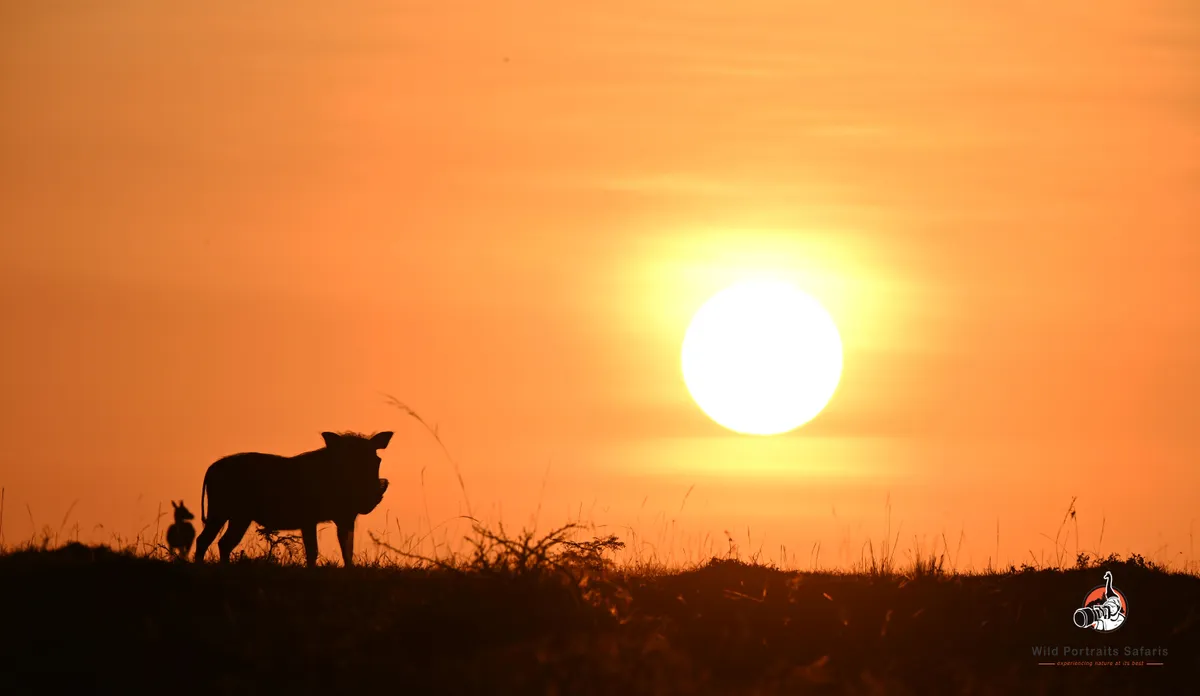
Is 7 Days Enough for a Kenya and Tanzania Safari?
Can Masai Mara, Serengeti and Ngorongoro fit into seven days without turning the safari into a race? Learn what the border journey involves, where to stay and when adding another night is the wiser choice.
Is 7 Days Enough for a Kenya and Tanzania Safari?
Most travellers planning their first East African safari face the same temptation. Masai Mara is on one side of the border, Serengeti is on the other, and Ngorongoro looks close enough to include as well.
On a map, seven days appears generous. On the ground, border procedures, road conditions and the location of your camps determine how much of that time is spent watching wildlife.
So, is seven days enough?
Yes—but the route must remain focused. For travellers who want to combine Kenya and Tanzania in one week, we recommend:
- Two nights in Masai Mara
- Three nights in Serengeti
- One night near Ngorongoro Crater
This is an active safari rather than a slow holiday. It works best for travellers who accept one long border-transfer day and want to concentrate on three strong wildlife areas instead of rushing through a longer list of parks.
Our Honest Answer: Seven Days Can Work
The mistake is not choosing a seven-day safari. The mistake is trying to fit Amboseli, Lake Nakuru, Masai Mara, Serengeti, Ngorongoro and several smaller parks into the same week.
Every extra destination introduces another transfer, another check-in and another morning spent packing bags. The itinerary may look impressive, but the actual wildlife-viewing time becomes surprisingly limited.
A better seven-day Kenya and Tanzania safari protects time in the major wildlife areas. Two nights in Masai Mara provide an introduction to Kenya’s big-cat country. Three nights in Serengeti allow two more meaningful days in Tanzania’s largest and most varied safari area. The final night positions you for an early visit to Ngorongoro Crater.
It is not a leisurely route, but each overnight stop serves a clear purpose.
Why the Serengeti Gets Half the Safari
The Serengeti deserves more time because of its size.
It is not one endless, uniform grassland. The ecosystem includes open plains, rocky kopjes, seasonal rivers, woodland and remote northern areas. Wildlife distribution changes with rainfall, grazing conditions and the time of year.
A one-night Serengeti stay often means arriving late, completing a short game drive and leaving the following morning. That may allow a traveller to say they visited the park, but it provides little opportunity to understand it.
Three nights create more flexibility.
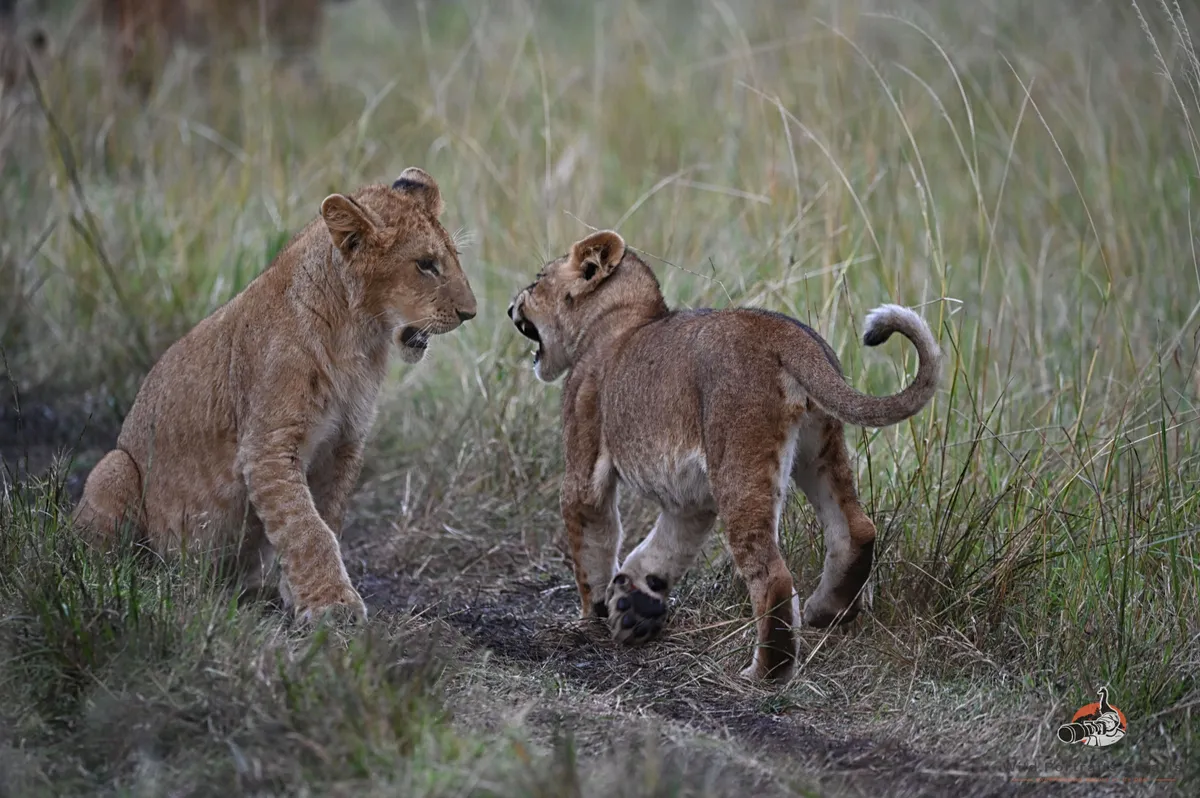 Your guide can return to a productive area, wait for a sighting to develop or adjust the day after receiving information about wildlife movement. For photographers, the extra time also creates opportunities to work with early light and spend longer with a subject instead of rushing to the next reported sighting.
This is why we would protect the three Serengeti nights before adding another destination.
Do Not Choose a Serengeti Camp by Its Photographs
A beautiful camp can still be the wrong camp for your safari.
The Serengeti is vast, and the location of your accommodation affects how much time you spend on game drives and how much is lost travelling to the relevant wildlife areas.
Central Serengeti is known for resident wildlife throughout much of the year. The southern plains and Ndutu region become especially important during the calving months. Western and northern Serengeti play a greater role during later stages of the Great Migration.
A camp that is well positioned in February may be far from the main migration activity in August.
This does not mean the Great Migration follows an exact calendar. Rainfall can alter the speed and direction of the herds. It means your travel month should guide the general area in which you stay.
At WildPortraits Safaris, we recommend accommodation based on location, season, comfort and value—not simply on how attractive the property looks online.
The Border Day Most Safari Pages Do Not Explain
Masai Mara and Serengeti form one wildlife ecosystem, but Kenya and Tanzania are separate countries.
Visitors on a standard road safari cannot normally drive straight across the reserve boundary. The usual journey involves travelling to an official border crossing, completing immigration formalities and changing from a Kenyan safari vehicle to a Tanzanian vehicle.
The Isebania border is commonly used for this route.
The entire transfer can occupy most of the day. Its length depends on:
- The location of your Masai Mara camp
- Road and weather conditions
- Traffic approaching the border
- Immigration processing
- The Serengeti entry point
- The location of your Serengeti camp
Be cautious when a safari programme simply says, “After breakfast, drive to Serengeti for an afternoon game drive.” Depending on the camps being used, that description may create unrealistic expectations.
Wildlife viewing after entering the Serengeti is possible, but it should be treated as an opportunity rather than promised as a complete game drive.
When Flying Is Worth the Extra Cost
A flight connection can reduce road travel and make the safari more comfortable, but it is not always necessary.
Consider flying if:
- You are travelling with young children
- Older family members find long drives difficult
- You are celebrating a honeymoon
- You have limited time and want to maximise game drives
- Comfort is more important than keeping the price down
The road crossing may be more suitable if:
- You want to control the overall safari cost
- You enjoy seeing the countryside between destinations
- Your group is comfortable with a full travel day
- You have packed for an overland journey
- Small-aircraft baggage limits would be inconvenient
Safari aircraft usually have stricter luggage allowances than international airlines and may require soft-sided bags. Wildlife photographers carrying heavy camera equipment should confirm baggage arrangements before paying for an internal flight.
If a full road day will leave you too tired to enjoy the next morning, the flight upgrade may be money well spent.
Can You See the Great Migration in Seven Days?
You may encounter the Great Migration, but no responsible operator should guarantee it.
The migration is a continuous movement of wildebeest, zebras and other grazing animals through the Serengeti–Mara ecosystem. Their location is influenced by rainfall, water and fresh grazing.
Broadly speaking:
- The southern Serengeti and Ndutu region are important during the early-year calving season.
- Herds begin moving through other parts of the Serengeti as conditions change.
- Some reach western and northern Serengeti later in the year.
- Some herds may cross into Masai Mara during the dry season.
- The animals generally begin moving south again when seasonal conditions change.
River crossings receive most of the publicity, but they remain unpredictable. Wildebeest can gather beside a river and turn away without crossing. Another herd may cross with very little warning.
A well-planned safari places you in a suitable part of the ecosystem for your travel month. It cannot control what wild animals do after you arrive.
What Seven Days Can Give You
A focused safari offers:
- One full wildlife-viewing day in Masai Mara
- Two more substantial days in Serengeti
- A game drive in Ngorongoro Crater
- Opportunities to look for lions, elephants and other iconic wildlife
- Open plains, woodland, river systems and crater scenery
- Private guiding and flexible game-drive times
- Seasonal Great Migration possibilities
- Strong wildlife photography opportunities
Specific animals and behaviours cannot be guaranteed. An experienced guide improves your chances by reading tracks, listening for alarm calls and understanding how animals use the landscape, but patience and luck remain part of every genuine safari.
What Seven Days Will Not Give You
Seven days will not provide:
- A slow-paced journey
- Several nights in every destination
- Time for multiple Serengeti regions
- Guaranteed river crossings
- A full sightseeing day in Nairobi
- Enough time to add Amboseli, Lake Nakuru or Zanzibar comfortably
- Short driving distances every day
If several of those experiences matter to you, extend the safari. Removing time from Serengeti to add more destinations usually weakens the overall journey.
When Should You Travel?
There is no single best month for everyone.
January to March
The southern Serengeti and Ndutu plains become important during the wildebeest calving period. The presence of newborn animals can attract predators and produce interesting wildlife behaviour.
For these months, use a southern camp rather than automatically staying in central or northern Serengeti.
April and May
The green season brings fresh landscapes, changing light and fewer safari vehicles. Some lodges and camps provide better value during this period.
Heavy rain can affect road conditions, but photographers often appreciate the dramatic skies and quieter sightings.
June to October
The dry season generally offers strong wildlife viewing. Migration herds may pass through western and northern Serengeti, with some entering Masai Mara.
These are popular travel months, particularly between July and October. Accommodation in well-positioned areas should be reserved early.
November and December
Short rains refresh the grasslands, and the herds generally begin moving south again. Visitor numbers may be lower than during the busiest dry-season months.