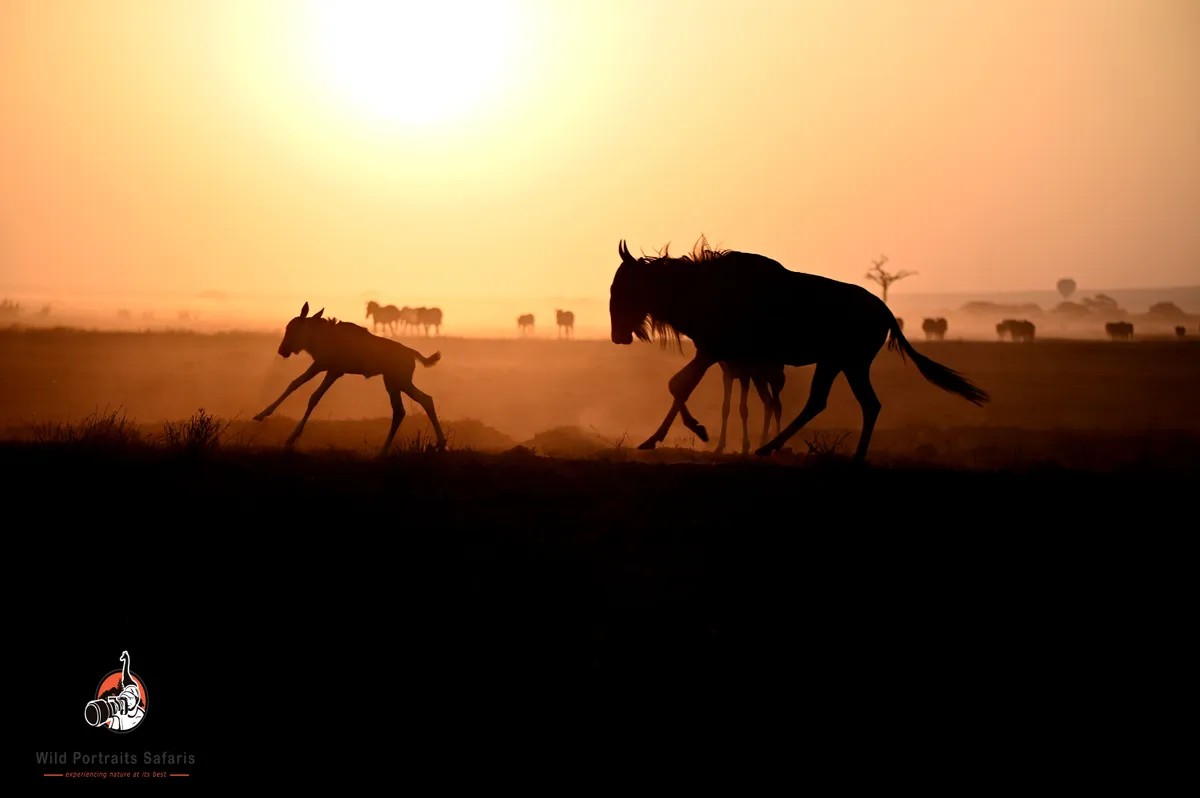
Kenya Wildlife Photography Safaris: Choosing Your Destinations
Compare Kenya’s wildlife photography destinations and choose a route around your interests. Get practical advice on travel dates, private guiding, vehicle space and camp locations
Kenya Wildlife Photography Safaris: Choosing Your Destinations
A Kenya wildlife photography safari starts with a question: what do you most want to photograph?
Big cats, elephant families, northern species, birds and wildlife in wider landscapes each call for different planning. The destination matters, but so do the season, camp location, vehicle space and number of mornings you can spend in the field.
At WildPortraits Safaris, we recommend building your trip around a few clear interests. Spending longer in suitable locations gives you time to observe behaviour, return to promising areas and work with changing light.
This guide helps you compare destinations and plan a private photography safari that makes good use of your time.
Which Kenya safari destinations suit your photography?
The night allocations below are starting points for planning, rather than fixed requirements. Your subjects, budget and transfer arrangements will determine the final route.
Masai Mara: Allow time for behaviour
For photographers interested in big cats, the Masai Mara is a strong starting point. Its open settings can offer opportunities to photograph animals within the landscape as well as make tighter portraits.
The challenge is deciding when to wait. A resting predator may remain still for hours, while an apparently quiet encounter can develop into something worth photographing. A private vehicle gives you flexibility to stay, but your guide’s observations help you decide whether that time is being used well.
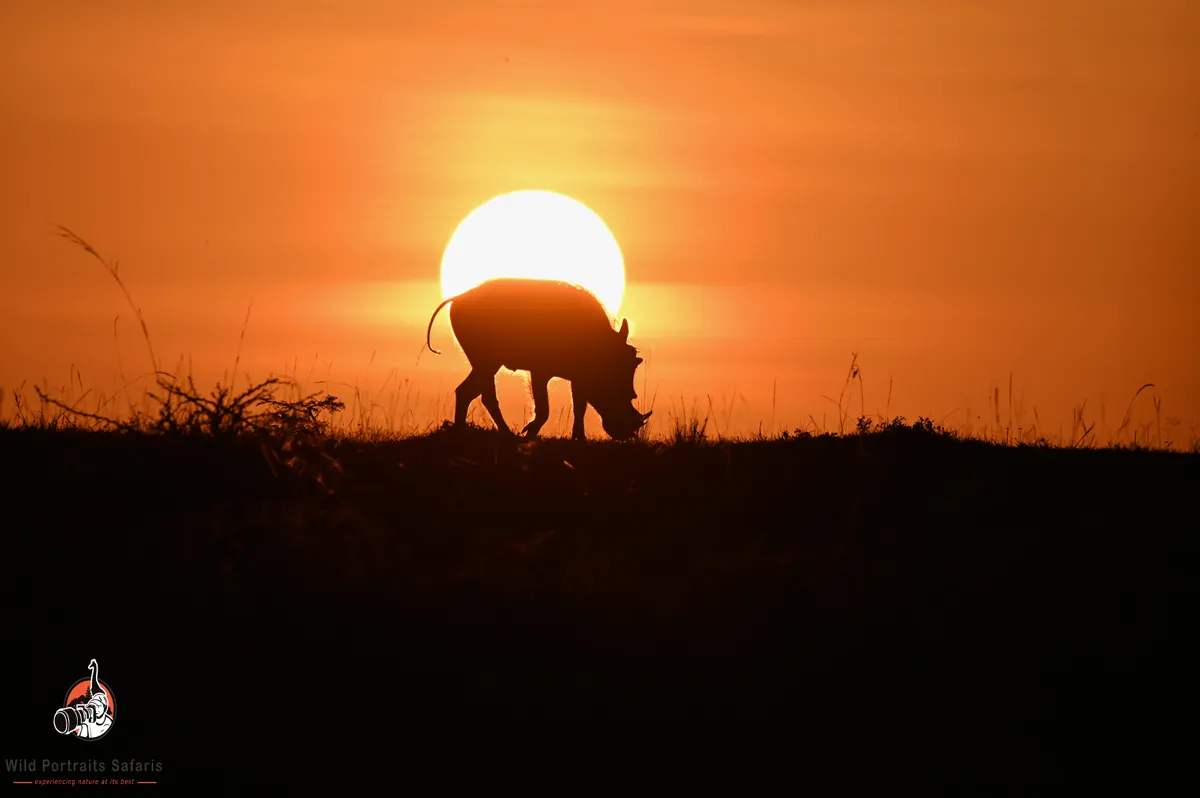 ### Planning advice
Choose accommodation with access to the areas you expect to explore. A camp’s location can affect how much of each morning is spent travelling before you begin photographing.
If migration photography is your priority, discuss your dates and camp location carefully. Herd movements respond to conditions; neither their location nor a river crossing can be promised.
Build a varied photographic brief. Behaviour, herd patterns and environmental scenes can be worthwhile even when a crossing does not happen.
Amboseli: Look beyond the mountain photograph
An elephant with Mount Kilimanjaro behind it is an appealing goal, but it depends on several conditions coming together. The mountain must be visible, the animal must be suitably placed and your vehicle must be at the right place and this is why it matters to have an experienced wildlife photography safari guide
Give yourself several mornings rather than relying on one brief visit.
There is also value in photographing details and relationships: elephants moving together, textures, interactions and smaller subjects within a wider scene. Amboseli also has amazing sunsets and the golden hour has magnificent opportunities as the animals stir dust as they move in the plains.
Planning advice
Bring a way to photograph the surroundings as well as distant animals. Using only a long lens can limit your options when the landscape becomes part of the story.
When the Mount Kilimanjaro is hidden, change the photographic brief. Work with the scene available instead of spending the whole drive waiting for one composition.
Samburu: Photograph different subjects
Samburu adds a different range of subjects to a Kenya photo safari. The animals commonly grouped as the Samburu Special Five are Grevy’s zebra, reticulated giraffe, Somali ostrich, Beisa oryx and gerenuk.
These animals deserve time in their own right. Their markings, shapes and behaviour offer opportunities beyond the familiar big-cat photograph.
Planning advice
Pay attention to the landscapes as combinations makes impressive frames.
We always recommend camps inside the reserve in order to maximise on the morning and late evening light. Sometimes waiting for the animal to move is more useful than moving the vehicle repeatedly.
Lake Nakuru: A focused addition to your route
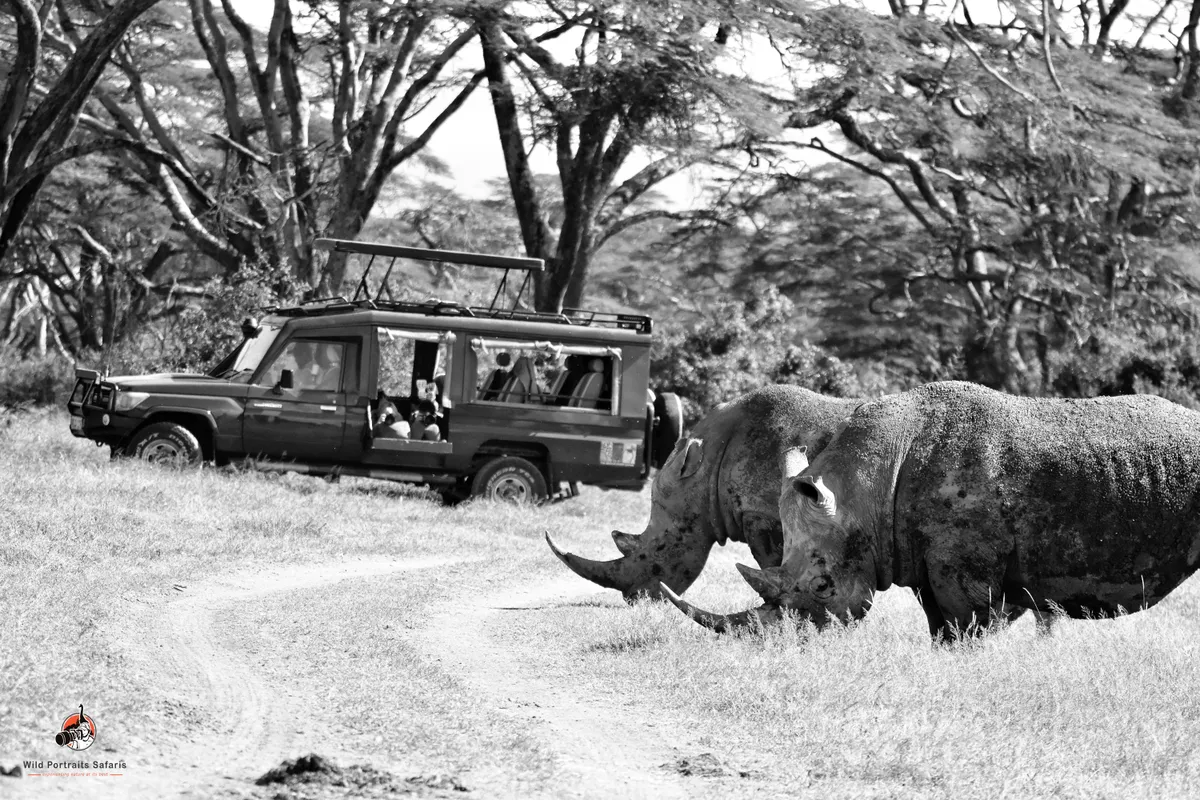
Lake Nakuru can add rhino, bird and woodland photography to a longer safari. It is worth including when those subjects match your interests, rather than treating it only as an overnight stop between destinations.
Planning advice
Set aside time for birds and smaller encounters. A route designed entirely around large mammals may pass over some of the park’s photographic opportunities.
Avoid planning around a particular abundance of flamingos or a fixed shoreline scene. Conditions change, and the available photographs may differ from older images you have seen online.
Tsavo East and Tsavo West: Choose them deliberately
Tsavo East and Tsavo West should be considered separately when planning a photography trip.
Tsavo East suits photographers interested in broader scenes and elephants within the landscape. Tsavo West adds different terrain and vegetation, which can create opportunities but also make clear wildlife views more difficult.
Planning advice
Allow enough time for searching and travel. A short stay with expectations of constant close encounters can be frustrating.
Choose accommodation in relation to the areas you want to explore. In a large park, reducing repeated travel can give you more useful time for photography.
Nairobi National Park: Make use of a spare day
Nairobi National Park is worth considering if you have a day before or after your main safari. Its grasslands, riverine habitats and skyline setting provide a distinctive context for wildlife photographs.
A private day safari lets you concentrate on photography without committing to another overnight destination.
Arrange the programme around your hotel location and any flight commitments. Leave sufficient time for transfers rather than fitting a game drive into an unrealistic gap.
When should you travel for wildlife photography?
There is no single best month for every subject or destination. Decide which conditions matter most to the photographs you want to make.
Drier conditions
Drier periods can offer dust, more open views and wildlife activity around available water. They can also bring bright skies, harsh midday light and busy sightings in popular areas.
Greener conditions
Greener periods can offer different backgrounds, cloud and changing weather. Rain may interrupt a drive, affect access or alter the areas you can explore.
Do not choose dates on scenery alone. Consider your target species, regional conditions, accommodation availability and tolerance for weather disruption.
For a migration-focused safari, make the moving herds part of the planning discussion rather than treating a calendar date as a guarantee.
What makes a private photography safari different?
A private vehicle gives you control over the pace of the day. You can wait at an interesting sighting, concentrate on birds or return to a particular area without negotiating with unrelated passengers.
However, private guiding and photography tuition are different services.
A photography-aware driver-guide helps with wildlife observation, positioning and timing. A dedicated photography tutor may also provide camera instruction, image reviews and editing guidance.
Before booking, confirm exactly which service is included.
Vehicle arrangements to discuss before booking
Ask practical questions about the vehicle you will actually use:
How many photographers will share it?
How much space is available for camera bags and larger lenses?
Can guests photograph through windows as well as the roof?
Are beanbags or other camera supports available?
What charging facilities are provided?
Is the vehicle exclusive to your party throughout the safari?
A guaranteed window seat does not necessarily mean enough working space for several large camera setups. Explain your requirements before the vehicle is allocated.
 Choosing your camp
For photography, location deserves as much attention as accommodation style.
Ask how the camp fits your planned game drives, whether early departures and packed meals can be arranged, and how much time you may spend travelling to your preferred areas.
Charging arrangements, equipment storage and a comfortable place to review photographs are also useful considerations.
Choose accommodation that supports your time in the field.
Route ideas for a Kenya photography safari
These are suggested combinations to discuss, not fixed packages.
Big cats and elephants
Amboseli and Masai Mara
A focused combination for guests who want elephant photography alongside time with predators. Allow for the journey between destinations, or discuss flights where suitable.
Northern wildlife and big cats
Samburu and Masai Mara
A useful contrast in subjects and habitats. With limited time, compare flight arrangements against the road journey before confirming the route.
A varied wildlife portfolio
Samburu, Lake Nakuru and Masai Mara
This can broaden your subjects, but needs enough time to avoid turning the safari into a sequence of transfers.
Elephants and wider landscapes
Amboseli and Tsavo
This combination suits guests who want to give elephants and wider scenes more attention.