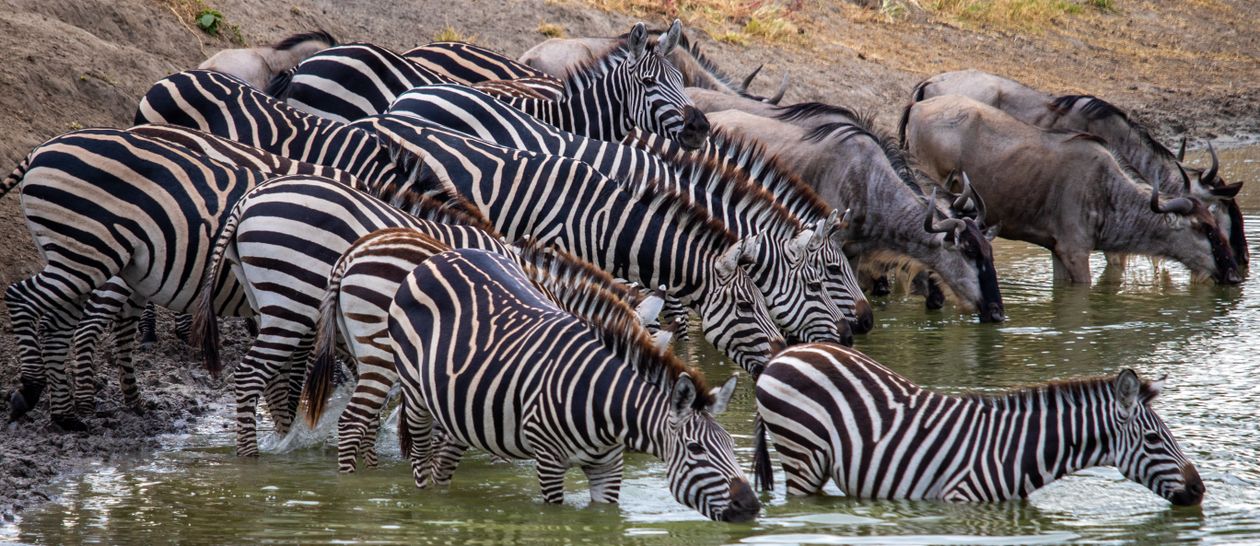
Safari Experience
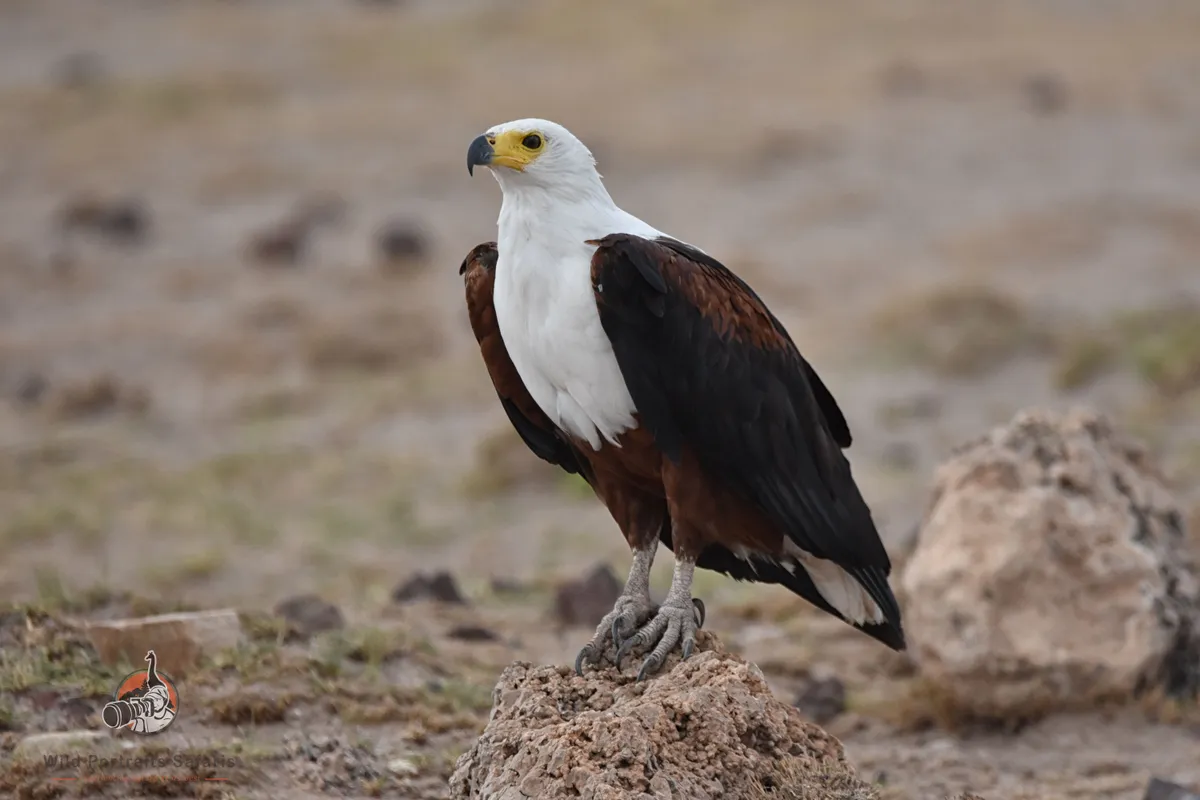
Arusha, Tanzania: Safari Capital & Kilimanjaro gateway. Nestled under Mount Meru, explore Serengeti, Ngorongoro Crater, vibrant culture, and adventure.
Situated in the northern highlands of Tanzania, at the base of majestic Mount Meru, Arusha is often dubbed the “Safari Capital of Tanzania”—and for good reason. This vibrant city is the primary hub for exploring the northern safari circuit, which includes legendary destinations like the Serengeti, Ngorongoro Crater, Lake Manyara, Tarangire National Park, and the iconic Mount Kilimanjaro. Whether you're a seasoned traveler, a nature lover, or a first-time visitor to Africa, Arusha offers a compelling mix of adventure, culture, wildlife, and natural beauty. 1. Introduction to Arusha: Tanzania’s Safari Hub Arusha is a city of contrasts. Despite its modest size, it plays a major role in Tanzania’s tourism industry. Located about 1,400 meters (4,600 feet) above sea level, Arusha enjoys a temperate climate year-round. It serves as the launching pad for some of the most awe-inspiring wildlife experiences on the continent. With Kilimanjaro International Airport (JRO) just 60 kilometers away, Arusha is easily accessible by air from major global destinations. The city's central location between various national parks makes it a convenient base for travelers planning a multi-day safari or mountain trek. 2. Gateway to the Northern Safari Circuit Arusha is famously positioned at the heart of Tanzania’s Northern Safari Circuit—a route that encompasses several world-renowned wildlife parks. Tour operators in Arusha offer everything from half-day tours to two-week luxury safaris. Top Destinations Accessible from Arusha: Serengeti National Park: Known for the Great Migration and Big Five sightings. Ngorongoro Crater: A UNESCO World Heritage Site, home to one of the highest densities of wildlife in Africa. Tarangire National Park: Famous for its giant baobab trees and large elephant herds. Lake Manyara National Park: Ideal for spotting tree-climbing lions, flamingos, and diverse birdlife. Arusha National Park: Just 45 minutes away, this park offers incredible views of Mount Meru, canoe safaris, and hiking trails. These iconic parks are accessible via both overland safaris and bush flights from Arusha Airport. 3. Proximity to Mount Kilimanjaro & Mount Meru Though not located directly at the foot of Mount Kilimanjaro, Arusha is still considered a gateway for Kilimanjaro climbs. Most climbers fly into Kilimanjaro International Airport and stay in Arusha before starting their ascent via routes like Marangu, Machame, or Lemosho. Mount Meru: Tanzania’s Hidden Gem While Kilimanjaro gets most of the attention, Mount Meru, located within Arusha National Park, is a fantastic alternative for trekkers. Standing at 4,566 meters (14,980 feet), it offers challenging hikes, stunning views, and fewer crowds. Many climbers use Mount Meru as acclimatization before tackling Kilimanjaro, making Arusha a strategic base for trekking enthusiasts. 4. Arusha National Park: A Local Treasure Just a short drive from the city, Arusha National Park is one of the most underrated parks in Tanzania. It offers a wide variety of ecosystems, from open savannah and dense forests to alpine regions. Highlights: Mount Meru Trekking Ngurdoto Crater Momella Lakes – great for canoeing and flamingo sightings Colobus monkeys, giraffes, zebras, and over 400 bird species This park is perfect for travelers with limited time who still want a taste of Tanzania’s wildlife and natural beauty. 5. Cultural Experiences in Arusha Beyond wildlife, Arusha is a melting pot of cultures, home to the Maasai, Meru, Chagga, and other ethnic groups. The city offers opportunities for immersive cultural experiences that connect travelers to the rich traditions of northern Tanzania. Must-try cultural activities: Maasai Village Visits – Learn about Maasai traditions, rituals, and lifestyle. Cultural Heritage Centre – A museum, art gallery, and shopping complex showcasing Tanzanian culture. Shanga Foundation – A social enterprise employing people with disabilities to create beautiful handmade crafts. Local food tours – Sample Tanzanian dishes like nyama choma, pilau, and chapati at local markets and restaurants.
Tanzania
Anytime
36,486 square kilometers
3 available packages
Arusha, Tanzania: Safari Capital & Kilimanjaro gateway. Nestled under Mount Meru, explore Serengeti, Ngorongoro Crater, vibrant culture, and adventure.
45 mins from Kilimanjaro Airport
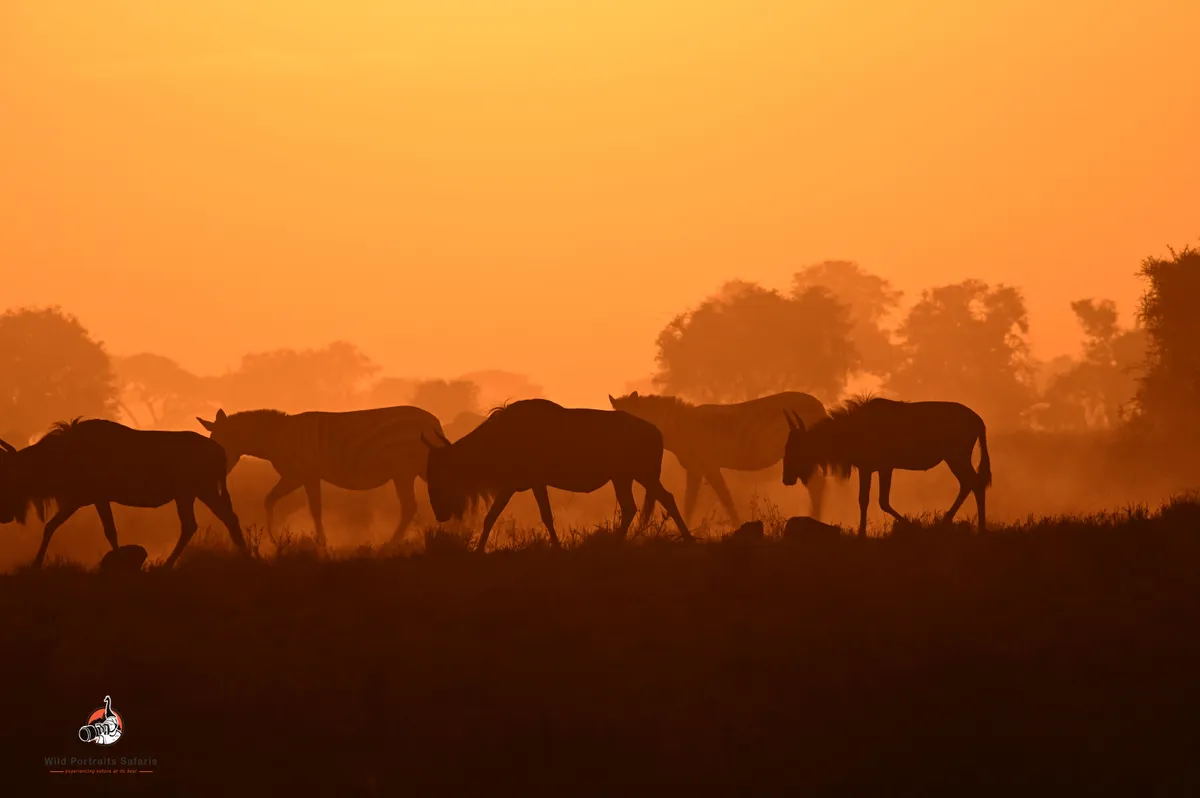
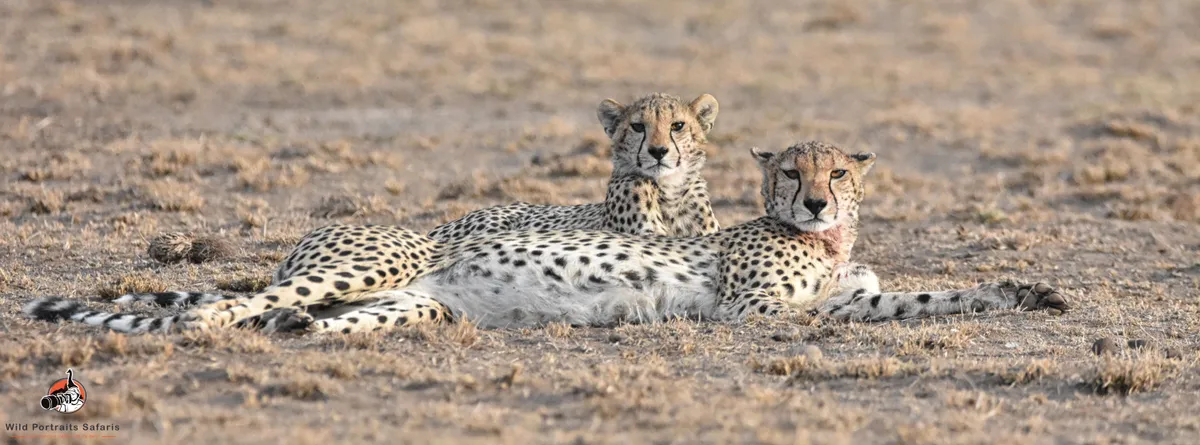
**Three nights in Ndutu, a private safari vehicle and wildlife viewing in Central Serengeti and Ngorongoro Crater.** Explore[ Tanzania’s](https://wildportraitsafaris.com/destinations/tanzania) wildebeest calving grounds at a pace that gives you time to watch the wildlife. With three nights in Ndutu and two full days dedicated to the surrounding plains, this private safari allows your guide to follow current herd movements and spend longer at worthwhile sightings. Continue to [Central Serengeti](https://wildportraitsafaris.com/destinations/tanzania/serengeti-national-park-tanzania--safari-adventures--the-great-migration) for a different landscape and resident wildlife, then finish with a game drive in Ngorongoro Crater. **Price:** Request your personalised land-only quote. Rates depend on travel dates, accommodation and the number of travellers sharing. [**Send WildPortraits Safaris your travel dates and number of travellers to get started**](https://wildportraitsafaris.com/contact-us)**.** 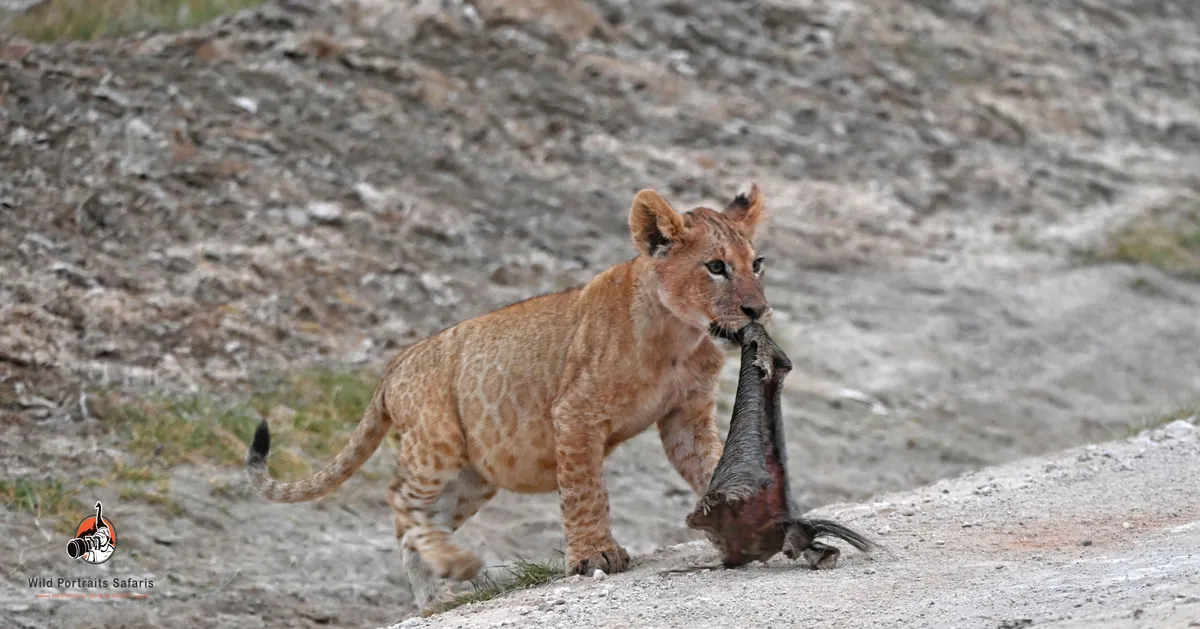## ## **Accommodation** Your quotation will name every proposed hotel, camp and lodge, together with the room category and meal plan. In [Ndutu](https://en.wikipedia.org/wiki/Lake_Ndutu), accommodation selection prioritises practical access to the expected calving grounds. Choose between comfortable midrange accommodation and a luxury option, depending on your budget. Properties remain subject to availability until booked. Any proposed substitution will be shared for your agreement. ## **Frequently asked questions** ### **Which month should I choose?** February is a priority month for travellers interested in calving. January and March can also suit a seasonal safari, but exact birth timing and herd locations vary. We will discuss your dates before recommending the accommodation. ### **How much driving is involved?** This is a road safari with substantial transfers, particularly from Arusha to Ndutu and on the return journey. Two full days in Ndutu balance those travel days. Your final itinerary will include driving estimates based on the selected properties. ### **Is this safari suitable for children?** It can be adapted for families comfortable with long drives. Tell us the children’s ages so we can check camp policies, room arrangements and a suitable pace. ### **Can I spend more time in Ndutu?** Yes. For a stronger calving and photography focus, replace the Central Serengeti night with a fourth night in Ndutu. This provides three full days in the calving area and removes one camp change. ### **What if the herds move?** Daily routes will respond to current herd locations within the areas covered by your itinerary and permits. Significant changes requiring different accommodation or additional fees will be discussed with you. ### **Will I see a birth or a hunt?** Both are possible, but neither is guaranteed. The safari provides time in the seasonal calving area while allowing wildlife encounters to unfold naturally. ## Request your safari quote [**Send WildPortraits Safaris your travel dates and number of travellers.** ](https://wildportraitsafaris.com/contact-us)We will prepare a quotation with named accommodation, a clear land-only price and confirmed inclusions.
$
per person
**Two nights Masai Mara** · **Three nights Serengeti** · **One night Ngorongoro** Begin in Kenya, cross into Tanzania and finish at the floor of an ancient volcanic crater on this private seven-day Kenya and Tanzania safari from India. The itinerary brings together three distinct wildlife areas without filling the week with unnecessary stops. You will spend two nights in the Masai Mara, three nights in the Serengeti and one night near Ngorongoro Crater. Three nights are reserved for the Serengeti because it is the largest area on the route. This provides time to explore beyond the roads surrounding your camp and allows the accommodation location to be selected according to the season. The journey is privately guided, with separate specialist safari teams in Kenya and Tanzania. WildPortraits Safaris coordinates the border crossing, vehicle change, accommodation, park entries and dietary arrangements before your arrival. Why We Designed the Safari This Way Many short East African itineraries attempt to include too many parks. Guests spend much of their holiday checking out of lodges, packing bags and travelling between destinations. - This route concentrates on three complementary areas: - 1\. The Masai Mara introduces you to Kenya’s open grasslands and productive big-cat country. - 2\. The Serengeti receives the longest stay because its scale and wildlife movement cannot be appreciated in a single day. - 3\. Ngorongoro Crater then provides a very different final experience, with diverse wildlife living within the walls of a vast volcanic caldera. It is an active journey rather than a slow safari, but every overnight stop serves a clear purpose.\ \ **Is This Safari Right for You?** This itinerary is a good choice if you: Want to visit both Kenya and Tanzania in one journey Prefer a private vehicle instead of a large group tour Want meaningful time in the Serengeti Are comfortable with an active itinerary and some long drives Want to include Ngorongoro without reducing the Serengeti to one night Are visiting East Africa for the first time Value wildlife guiding more than rushing through a long destination list A longer eight- or nine-day version may be better for families with young children, older travellers or anyone who prefers a slower pace. Road Safari or Flight Upgrade? Option Best for Considerations Road crossing through Isebania Travellers seeking better value and an overland journey Day 3 is long and includes a border vehicle change Flight connection Travellers prioritising comfort and time More expensive and subject to light-aircraft luggage limits Fully fly-in version Luxury travellers and photographers carrying limited luggage Highest cost and requires careful baggage planning Best Time for Masai Mara, Serengeti and Ngorongoro This safari can be arranged throughout the year, but the ideal Serengeti camp changes with wildlife movement. January to March: Calving Season The southern Serengeti and Ndutu plains are usually the most relevant areas during the wildebeest calving period. This season attracts predators and offers opportunities to observe newborn animals. For these months, the itinerary should use a southern Serengeti camp rather than automatically booking central or northern Serengeti. April and May: Green Season The rains transform the plains, bringing fresh colour, dramatic skies and fewer safari vehicles. Accommodation prices may be lower, although heavy rainfall can make some roads difficult. This is a rewarding period for travellers who value space, atmosphere and photography over predictable dry-season conditions. June to October: Dry Season and Migration Movement Wildlife tends to gather near dependable water sources as the dry season develops. The migration may move through the western corridor and northern Serengeti before some herds enter the Masai Mara. River crossings are possible during parts of this period, but neither their date nor location can be guaranteed. November and December: Short Rains The short rains refresh the ecosystem, and migrating herds generally begin moving south. There are often fewer visitors than during the peak July-to-October period. Planning the Safari from India International flights are not automatically included in the land package. Travellers can reach Nairobi from Mumbai, Delhi, Bengaluru, Chennai, Hyderabad and other Indian cities, using direct or connecting services depending on schedules. The best flight arrangement is usually to arrive in Nairobi and depart from Kilimanjaro or another Tanzanian airport. This avoids unnecessary backtracking. Before purchasing flights, confirm: Your Nairobi arrival time Whether a pre-safari hotel is required The planned Day 7 arrival time in Arusha Your Kilimanjaro Airport transfer time Visa and health-entry requirements Baggage limits if using an internal flight Meals for Indian Travellers Vegetarian, vegan and Jain meals can be requested, but safari camps need clear information in advance. Instead of writing only “Indian meals required,” tell us: Whether eggs are permitted Whether dairy products are acceptable Which root vegetables or ingredients must be excluded Whether separate cooking utensils are required Whether any traveller has a food allergy The preferred level of spice Remote safari kitchens may not have access to every specialised ingredient. Early communication gives the
$
per person
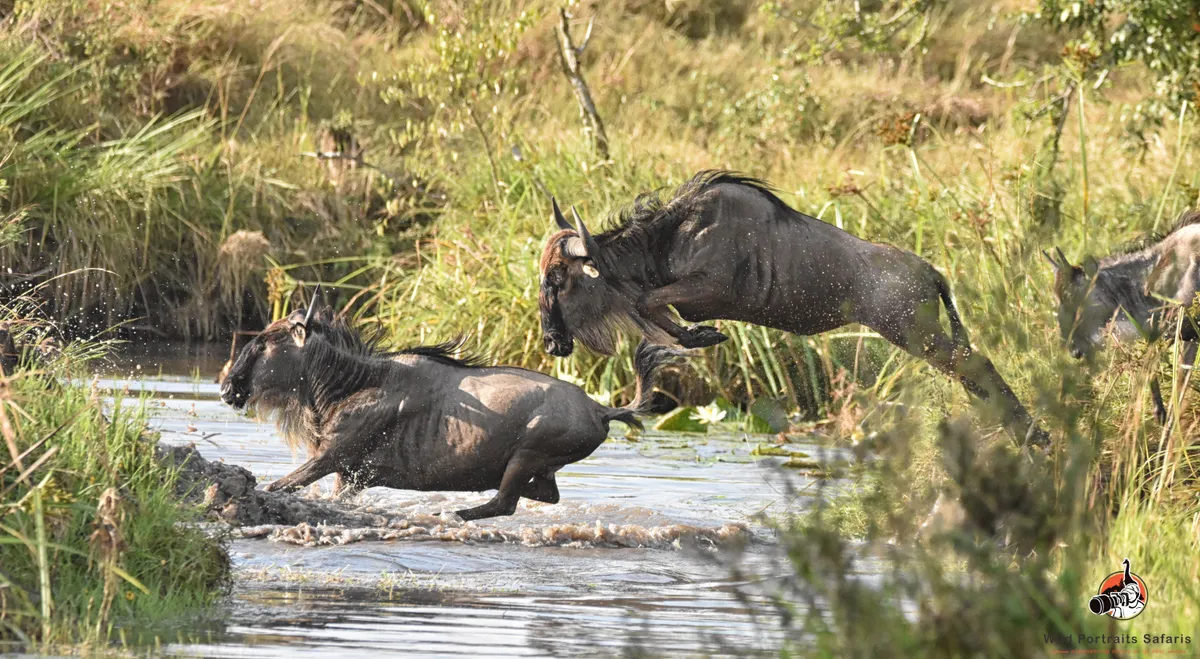
10-Day Masai Mara & Serengeti Great Migration Safari 2027 Follow the Great Wildebeest Migration Across Kenya & Tanzania Experience the drama, scale and extraordinary wildlife of the Great Wildebeest Migration on a privately guided 10-day safari combining Kenya's Masai Mara with Tanzania's Northern and Central Serengeti before finishing at the Ngorongoro Crater. Designed particularly for the July to October 2027 migration season, this journey spends three nights in the Masai Mara and three nights in Northern Serengeti, giving you valuable time on both sides of the greater Serengeti–Mara ecosystem. Rather than rushing between parks or treating a river crossing as the only measure of a successful migration safari, the itinerary allows time to follow changing wildlife activity, observe predator-prey interactions and experience the wider ecosystem at a natural pace. After the migration areas, two nights in Central Serengeti introduce you to another side of Tanzania's wildlife experience, with excellent opportunities for resident big cats and classic Serengeti landscapes. Your journey then continues to Ngorongoro for a final night and a morning safari in the famous Ngorongoro Crater before ending in Arusha. Why Choose This 10-Day Masai Mara & Serengeti Migration Safari? This itinerary is deliberately designed differently from a rushed multi-park safari. Six Nights in the Core Migration Region Three nights in the Masai Mara and three nights in Northern Serengeti give you valuable time to follow changing wildlife conditions on both sides of the ecosystem. Experience the Migration in Kenya & Tanzania Instead of choosing between the Masai Mara and Serengeti, experience both destinations as part of one connected Great Migration journey. Better Opportunities Around the Mara River Multiple days in migration country provide more opportunities to explore areas around the Mara River without pretending that a crossing can be guaranteed. Private Safari Flexibility A privately guided safari allows departure times, wildlife priorities and time at sightings to be adjusted according to your interests and conditions in the field. Excellent for Wildlife Photography More time, greater vehicle flexibility and patient guiding make this itinerary particularly suitable for photographers and travellers interested in animal behaviour. Beyond the Migration Two nights in Central Serengeti and a Ngorongoro Crater safari ensure that the journey isn't dependent entirely on wildebeest movements. Frequently Asked Questions About the Masai Mara & Serengeti Migration Safari 2027 When is the best time for this Masai Mara and Serengeti migration safari? For an itinerary specifically combining the Masai Mara with Northern Serengeti, July through October is generally the most appropriate period because the migration historically moves through the northern Serengeti–Mara ecosystem during this part of the year. The migration is a natural event, however, and rainfall, water availability and grazing conditions influence where the herds are found. For that reason, historical migration patterns should be used for planning rather than interpreted as a fixed timetable Is the Masai Mara migration different from the Serengeti migration? No. The Great Wildebeest Migration is one continuous natural movement through the greater Serengeti–Mara ecosystem. Wildebeest move through different regions of Tanzania's Serengeti and Kenya's Masai Mara according to seasonal conditions. This itinerary is designed to experience the northern phase of that wider migration from both Kenya and Tanzania. Can I see both Masai Mara and Serengeti on one safari? Yes, and this itinerary has been specifically designed around that objective. You spend three nights in the Masai Mara followed by three nights in Northern Serengeti, two nights in Central Serengeti and one night near Ngorongoro. This gives you a comprehensive Kenya–Tanzania safari without repeatedly backtracking between destinations. Can you guarantee a Mara River crossing in 2027? No. No responsible operator can guarantee a river crossing on a particular date or at a particular location. Wildebeest can gather beside the river and move away without crossing. Herds may also cross in different locations or at unexpected times. Spending multiple nights in migration country improves your opportunity to experience interesting migration activity, but wildlife remains unpredictable. That unpredictability is part of what makes the Great Migration extraordinary. Which is better for the Great Migration: Masai Mara or Northern Serengeti? They provide different perspectives on the same migration. The Masai Mara offers excellent wildlife concentrations, open grasslands, river systems and abundant predators. Northern Serengeti provides vast wilderness, important Mara River areas and excellent migration viewing during the northern phase. For travellers with sufficient time, combining Masai Mara and Northern Serengeti removes the need to choose between them. Why spend three nights in Northern Serengeti? Because migration viewing benefits enormously from time. Herds move, weather changes and river activity is unpredictable. Three nights provide much greater flexibility than passing through Northern Serengeti for a single night. It also gives you time to appreciate the wider northern Serengeti ecosystem rather than spending every hour waiting beside the Mara River. Why include Central Serengeti? Central Serengeti adds outstanding year-round wildlife viewing to the itinerary. The Seronera region is particularly renowned for big-cat opportunities and provides a different safari environment from Northern Serengeti. It also makes the overall safari more resilient to unpredictable migration movements. Even if the wildebeest aren't exactly where historical patterns suggest, the itinerary still travels through exceptional wildlife country. Is this safari suitable for wildlife photographers? Yes. The combination of extended stays, private guiding and multiple wildlife ecosystems makes the itinerary particularly attractive for wildlife photography. A private safari can provide greater flexibility with departure times, positioning, time at sightings and photographic priorities. Photographers should discuss their equipment, interests and preferred shooting style before departure so the safari can be planned accordingly. Is this a private or group safari? The itinerary is ideally operated as a private Masai Mara and Serengeti migration safari. This gives couples, families, photographers and small private groups considerably more flexibility than a fixed seat-in-vehicle departure. The route, accommodation category and activities can also be customized according to budget and travel style. How do you travel from Masai Mara to Serengeti? Although the Masai Mara and Serengeti form one natural ecosystem, they lie in two different countries. Overland safaris therefore travel through an official Kenya–Tanzania border crossing before continuing into the Serengeti with the Tanzanian safari team. Light-aircraft connections can also be considered for travellers who want to reduce transfer time, subject to routing, schedules and availability. Plan Your 2027 Masai Mara & Serengeti Great Migration Safari The Great Migration does not follow a human timetable—and that is precisely what makes experiencing it so remarkable. This 10-day journey is designed to give you something more valuable than a promised river crossing: time in the right ecosystems, experienced with knowledgeable guides who understand wildlife behaviour and allow nature to determine the pace of your safari. Follow the migration from the Masai Mara into Northern Serengeti, explore the wildlife-rich landscapes of Central Serengeti and finish among the extraordinary wildlife of Ngorongoro Crater. Whether you are planning your first African safari, a private family journey or a dedicated wildlife photography experience, the itinerary can be tailored around your travel dates, accommodation preferences and interests. Experience one migration. Two countries. And ten days immersed in the wild.
$
per person
Discover expert tips, inspiring stories, and insider knowledge from our safari specialists

We're here to help
James Muchina
Unsure where to start? Give us a call and speak to our team.
Enquire Nowor call +254 720 357597